The Sand Castle
Explore the enchanting world of sand castles, from their fascinating history to tips for making your own masterpiece on the beach.
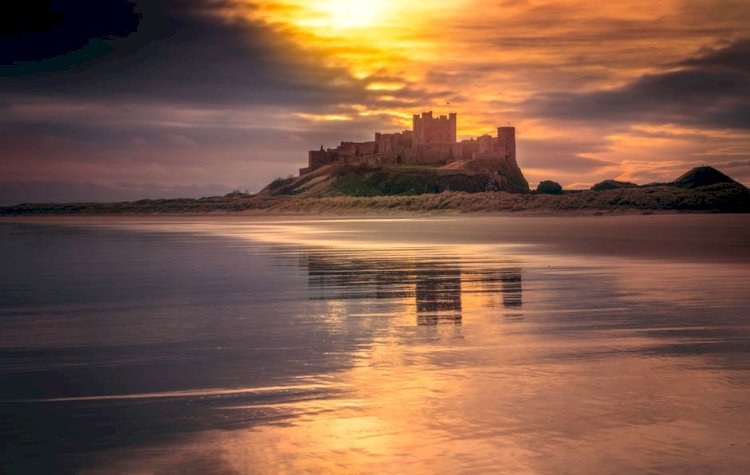
Sand castles are not just a childhood pastime; they are an art form that combines creativity with a deep connection to the beach. From simple structures to elaborate architectural wonders, the allure of sand castles draws people to the shore every summer. In this article, we will delve into the history, techniques, and cultural significance of sand castles, as well as share tips for building your own sandy masterpiece.
History of Sand Castles
The tradition of building sand castles dates back centuries, with evidence suggesting that ancient cultures constructed sand structures for both ceremonial and recreational purposes. Early examples can be traced to the shores of Japan, where sand sculptures were created as part of religious festivals. However, the modern concept of the sand castle as we know it began to take shape in the 18th and 19th centuries, as beach outings became popular among the upper classes in Europe and America.
During the Victorian era, elaborate sand sculptures became a fashionable trend among beachgoers, with competitions and displays showcasing incredible craftsmanship. The rise of tourism in coastal areas further popularized the activity, leading to the creation of sand castle contests and workshops that continue to this day.
Building the Perfect Sand Castle
Creating a stunning sand castle requires more than just dumping sand in a pile. The key to a successful sand castle lies in technique and tools. Here are some essential tips for aspiring sand castle artists:
1. Choose the Right Location
Select a beach spot where the sand is damp but not too wet. The best sand for building is fine and compact, often found below the high tide line. Make sure to avoid areas with heavy foot traffic to maintain the integrity of your castle.
2. Gather Your Tools
While many people start with just their hands, having a few simple tools can make a significant difference. Buckets, shovels, and various carving tools can help shape your castle. Kitchen utensils like spatulas and knives can be great for adding intricate details.
3. Start with a Strong Base
Begin by creating a sturdy base for your castle. Pile sand into a mound and pack it down firmly to ensure it holds its shape. Make sure the base is wide enough to support the structure you plan to build on top.
4. Shape Your Castle
After your base is established, begin shaping the walls and towers of your castle. Use water to help bind the sand, and carve out windows, doors, and other features. Always work from the top down, as it is easier to add details to the upper portions without disturbing the lower sections.
5. Add the Finishing Touches
Once you have the overall shape of your sand castle, it’s time to add details. Shells, seaweed, and small stones can serve as decorative elements. Use a spray bottle filled with water to keep your castle moist and prevent it from drying out and crumbling.
Cultural Significance of Sand Castles
Sand castles are more than just whimsical structures; they hold cultural significance in communities worldwide. In many coastal regions, sand castle competitions foster a sense of community and celebrate local talent. These competitions often attract participants of all ages and skill levels, turning the beach into a canvas where creativity thrives.
Additionally, sand castles serve as a temporary art form, reminding us of the impermanence of beauty and creativity. As the tides come in, these magnificent creations wash away, leaving behind only traces of their existence. This fleeting nature of sand castles resonates with the human experience, encouraging us to appreciate the moment and the joy of creation.
Conclusion
Whether you are a seasoned sand sculptor or a novice looking to have fun, building a sand castle is an activity that brings people together and fosters creativity. With a rich history and cultural significance, these sandy structures remind us of the joy found in simple pleasures. So next time you find yourself at the beach, gather some friends or family, and create your own sand castle masterpiece to enjoy and celebrate.
F&Q
What type of sand is best for building sand castles?
Fine, moist sand that packs well is ideal for building sand castles, typically found below the high tide line.
How can I prevent my sand castle from collapsing?
Ensure a strong base, keep the sand damp, and use packing techniques to create sturdy walls and towers.
Are there any famous sand castle competitions?
Yes, there are numerous sand castle competitions held worldwide, including events in California, New Jersey, and international competitions in Europe.
Liked This ? Share It !
What's Your Reaction?