Okja Netflix Review
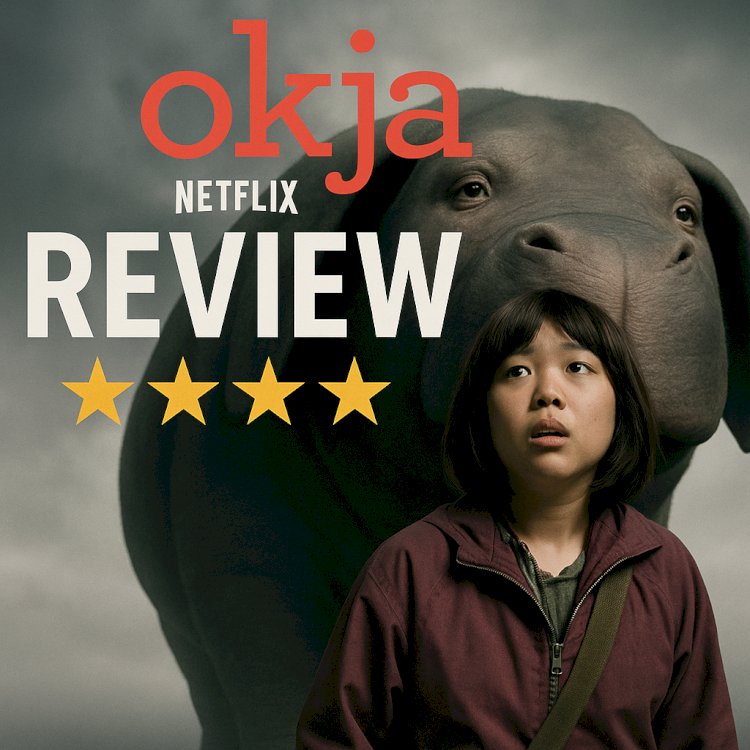
Okja is a thought-provoking film that intertwines themes of friendship and corporate greed, showcasing the battle between animal rights and big business.
Introduction
Released in 2017, 'Okja' is a unique film blending elements of adventure, drama, and satire, directed by Bong Joon-ho. The story revolves around a young girl named Mija, who has formed an inseparable bond with a genetically modified super pig named Okja. This Netflix original not only captivates with its engaging narrative but also raises critical questions about the ethics of animal consumption.
Plot Overview
The film begins in the serene mountains of South Korea, where Mija (An Seo-hyun) lives with her beloved pet Okja, a creature engineered by the Mirando Corporation to be the next big thing in the meat industry. As Mija and Okja share their idyllic life, the narrative shifts dramatically when the corporation decides to take Okja to New York for a public relations stunt. The film's tone morphs from light-hearted childhood adventure to a poignant commentary on the exploitation inherent in modern agriculture.
Thematic Elements
'Okja' deftly weaves complex themes, including friendship, capitalism, and the moral dilemmas surrounding animal rights. Mija's unwavering love for Okja serves as a vehicle for the audience to explore the broader implications of animal exploitation. The film forces viewers to confront uncomfortable truths about the food industry, cleverly juxtaposing Mija's innocence with the harsh realities of corporate greed.
Friendship and Loyalty
At its core, 'Okja' is a story about the bond between a girl and her pig. Mija's determination to save Okja highlights the purity of their friendship, which remains untainted by the outside world’s interests. This bond becomes a powerful symbol of loyalty, showcasing how genuine love can inspire individuals to challenge societal norms.
Corporate Greed
The film does not shy away from critiquing the corporate world. The Mirando Corporation, led by the eccentric CEO Lucy Mirando (Tilda Swinton), is a caricature of corporate America, using marketing tactics to mask the brutal reality of their operations. The film's satirical elements emphasize how corporations can manipulate public perception while prioritizing profit over ethics.
Visual and Artistic Style
Bong Joon-ho is known for his masterful direction, and 'Okja' is no exception. The film's visuals are striking, combining vibrant colors with a whimsical yet foreboding tone. The interactions between Mija and Okja are beautifully crafted, showcasing the bond they share through visually stunning sequences. Additionally, scenes depicting the corporate machinery at work are deliberately stark, contrasting sharply with the idyllic setting of Mija’s home.
Performances
The cast of 'Okja' delivers compelling performances that elevate the narrative. An Seo-hyun portrays Mija with a heartfelt authenticity, effectively conveying her love for Okja and the pain of impending loss. Tilda Swinton’s portrayal of Lucy Mirando is both humorous and chilling, embodying the absurdity of corporate persona. Other notable performances include Jake Gyllenhaal as a flamboyant animal activist and Paul Dano as a passionate activist dedicated to the cause.
Critical Reception
'Okja' received a mixed yet largely positive reception from critics, who praised its ambition and emotional depth. Some reviewers highlighted the film's ability to balance entertainment with a serious message, while others found it overly ambitious. Nonetheless, it was lauded for sparking conversations about animal rights and the ethics of food production—topics that continue to resonate today.
Conclusion
In conclusion, 'Okja' is a multifaceted film that combines adventure and drama with a critical examination of modern society's relationship with animals and food production. Through the lens of Mija and Okja's journey, the film encourages viewers to reflect on their own values and the implications of their dietary choices. As a Netflix original, it stands out as not only a cinematic achievement but also a vital cultural commentary that remains relevant in today’s world.
Liked This ? Share It !
What's Your Reaction?