Dark
Exploring the multifaceted theme of darkness in literature, psychology, and culture, revealing its profound impact on human emotions and creativity.
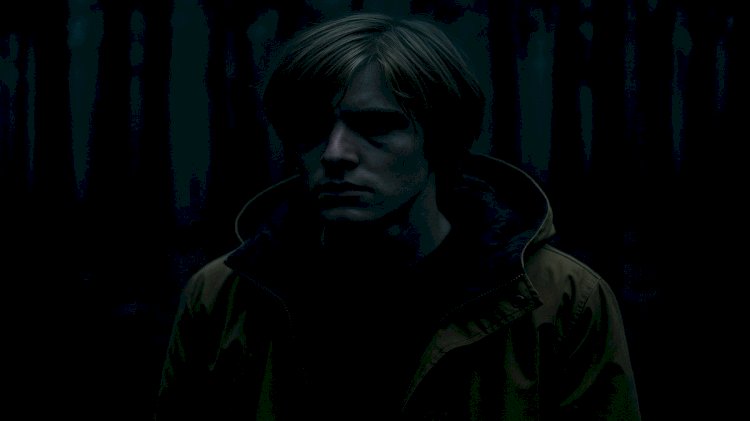
Understanding Darkness: A Multifaceted Theme
Darkness is often portrayed as a negative force in literature and culture, symbolizing fear, evil, and despair. Yet, it is also a canvas for creativity and introspection. In this article, we will explore the significance of darkness across various domains including literature, psychology, and culture, revealing its profound impact on human emotions.
The Role of Darkness in Literature
Darkness has captivated writers throughout history, serving as a powerful metaphor for the human experience. From Shakespeare to modern authors, darkness has been used to express complex emotions and themes.
Symbolism of Darkness
In literature, darkness often symbolizes ignorance, fear, and the unknown. For instance, in Joseph Conrad's "Heart of Darkness," the titular darkness represents the moral ambiguity and savagery lurking within humanity. Similarly, in Edgar Allan Poe’s works, darkness often embodies madness and despair, compelling readers to confront their deepest fears.
Creating Atmosphere
Writers leverage the theme of darkness to create atmosphere and tension. Gothic literature, for example, employs dark settings to evoke feelings of dread and suspense. The use of dimly lit rooms, stormy nights, and mysterious figures intensifies the emotional stakes, drawing readers into a world where danger lurks just beyond the shadows.
Darkness in Psychology
In psychology, darkness can represent the unconscious mind, where suppressed emotions and unresolved conflicts reside. Carl Jung, a prominent psychologist, referred to this aspect as the "shadow"—the darker side of our personality that we often hide from ourselves and others.
Embracing the Shadow
Confronting and integrating our shadow is crucial for personal growth. Embracing the aspects of ourselves that we typically associate with darkness allows for a more authentic existence. This process can lead to greater self-awareness and emotional resilience, making it easier to navigate life's challenges.
Darkness and Mental Health
While darkness can have negative connotations, it can also be a source of healing. Many individuals find solace in expressing their struggles through art, writing, or music. The act of confronting one’s inner darkness can lead to catharsis and, ultimately, healing.
Cultural Interpretations of Darkness
Different cultures interpret darkness in unique ways, reflecting their values, beliefs, and historical contexts. In many indigenous cultures, darkness is seen as a time of reflection, rest, and connection to the spiritual world.
Darkness in Spirituality
In various spiritual practices, darkness is often associated with renewal and transformation. For instance, in many traditions, the night symbolizes a time for introspection and connecting with one’s inner self. Rituals performed during the night often aim to harness the energy of darkness for healing and personal growth.
Modern Interpretations
In contemporary culture, darkness is frequently explored in media and art. The popularity of dark-themed television shows, films, and music reflects society’s fascination with the complexities of human emotions. This trend invites audiences to engage with themes of melancholy, fear, and existential dread, fostering a greater understanding of the human condition.
Conclusion: The Beauty of Darkness
While darkness is often associated with negativity, it can also serve as a powerful source of inspiration and introspection. By exploring the depths of darkness in literature, psychology, and culture, we gain insight into the complexities of human emotions. Embracing our darkness can lead to greater self-awareness, creativity, and ultimately, a more fulfilling life. Darkness, in its many forms, invites us to confront our fears and emerge stronger on the other side.
Liked This ? Share It !
What's Your Reaction?